Make Your Animals Activity
Each one opens in a new tab, ready to print.
Words used in these worksheets (20)
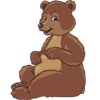 bear
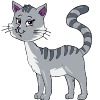 cat
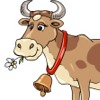 cow
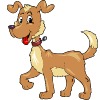 dog
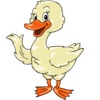 duck
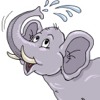 elephant
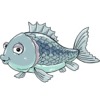 fish
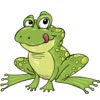 frog
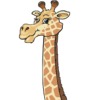 giraffe
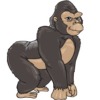 gorilla
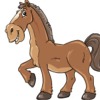 horse
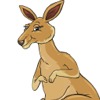 kangaroo
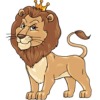 lion
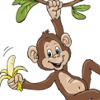 monkey
 panda
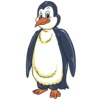 penguin
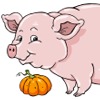 pig
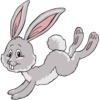 rabbit
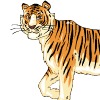 tiger
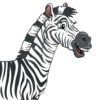 zebra
Need different words? Remove words or add more from the full Animals set. Your saved custom list is not changed.
More quick worksheets and games
In my animal sets, I mixed some of the better-known animals with a few that are harder to remember, so even students who know "dog" and "cat" have something new to learn.
I also use animals to introduce "it." I ask "What's this?" and students answer "A bear." Then I ask "He's a bear? She's a bear?" They know both sound wrong, and that's when I explain that we use "it" when it's not I, you, he or she.
Useful phrases for Animals
Pair the vocabulary with one sentence pattern at a time. Each level builds on the one before.
Starting out
First lessons, once students know the words- What's this? It's a ___.
- Is it a ___? Yes. / No.
- An elephant is big. A rabbit is small.
Next step
Building on the basics- Lions eat meat. They live in Africa.
- Penguins are black and white. They can swim.
- Is it big? Does it have a long tail?
Challenge
For older or more advanced students- It's an animal that eats leaves and has a long neck.
- Some horses are brown. All penguins are black and white.
- Which one is faster, a horse or a duck?
Teaching tips for Animals
Mix easy and hard words
Most students already know a few animals. Starting with those builds confidence, and adding a couple of new ones (kangaroo, gorilla, zebra) keeps the lesson moving for everyone.
Make the sounds and the moves
Animal sounds and actions are a natural way into the vocabulary for young children. Call out an animal and the class moves like it, or make the sound and let students guess.
Describe, don't just name
Animals are ideal for adjectives and simple facts: big, small, fast, slow, eats meat, lives in the jungle. Once students know the names, every card becomes a short description.
Watch "a" and "an"
An elephant, a lion. The animal set is a good, natural place to notice when we say "an." It also works well later for plurals: one horse, two horses.
Animals lesson ideas
Animal riddles
Describe an animal in three clues: "It's big. It's gray. It has a long nose." Students guess, then write their own riddles for classmates.
Zoo map
Students draw a simple zoo and place the animals in it. Partners ask "Where are the lions?" and answer with "next to" or "near."
Sort the animals
Sort the cards into groups: farm, jungle, ocean. Or big and small, fast and slow. There's no single right answer, which gives students lots to talk about.
An animals week
Flashcards and the vocabulary sheet on day 1, word search on day 2, animal riddles on day 3, then bingo or the board game to finish.
More Animals resources from MES
- Animal flashcards 5 sets and 100+ animals
- Speaking First Curriculum: Unit 1 how animals fit into a full course
- Animals listening exercises audio and worksheets
- Animals online games vocabulary practice for students
All Animals images (95)
Click a picture to add it to your worksheet list or take it out. Up to 30 words. Words in your list are shown first.
No images match your search.
Build once. Make everything.
Planning a full unit? The Custom List Maker lets you mix words from any category, save your list, and make 19 different worksheets and games from it all week long.